Dead Tree Removal in Reno, NV
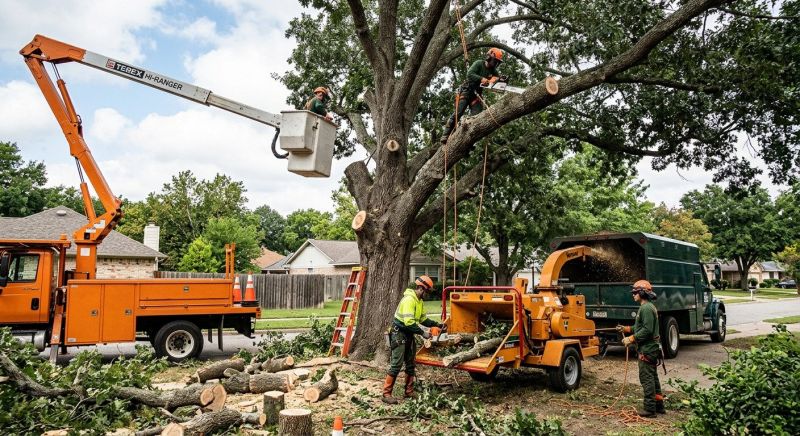
Dead tree removal services involve safely and efficiently removing trees that are dead, decaying, or posing a risk to property or safety. These projects typically include removing trees that have become hazardous due to disease, storm damage, or old age, as well as clearing dead or dying trees to prevent potential damage to structures, power lines, or other landscape features. Property owners interested in this service should understand the importance of proper assessment, the potential need for permits, and the benefits of professional removal to ensure safety and prevent damage during the process.
Before requesting dead tree removal, property owners usually want to know about the scope of the work, including whether nearby trees or landscape features might be affected. It’s also helpful to understand the methods used for removal, such as cabling or stump grinding, and any precautions needed to protect surrounding property. Clarifying these details can help ensure the project is completed safely and efficiently, with minimal disruption to the landscape.
Many property owners in Reno, NV look into Dead Tree Removal for repairs, replacements, upgrades, and appearance-related improvements.
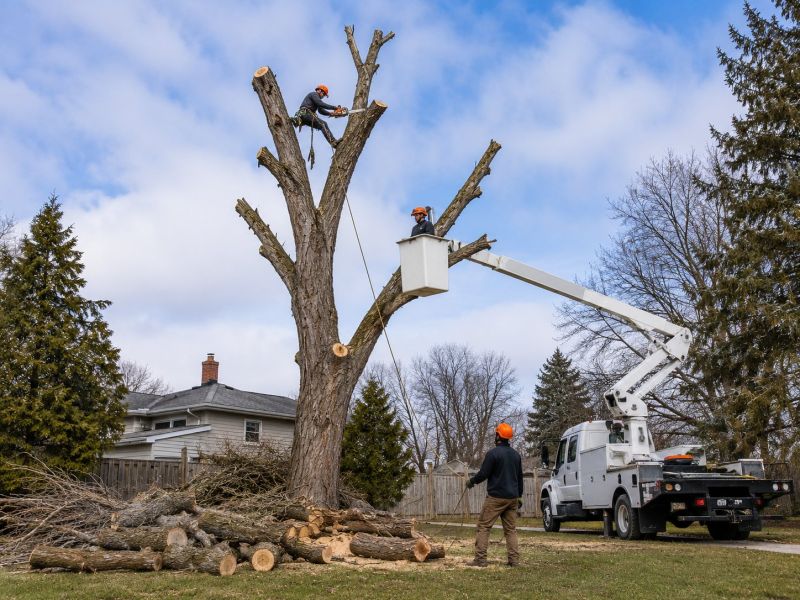
Hazardous Tree Removal
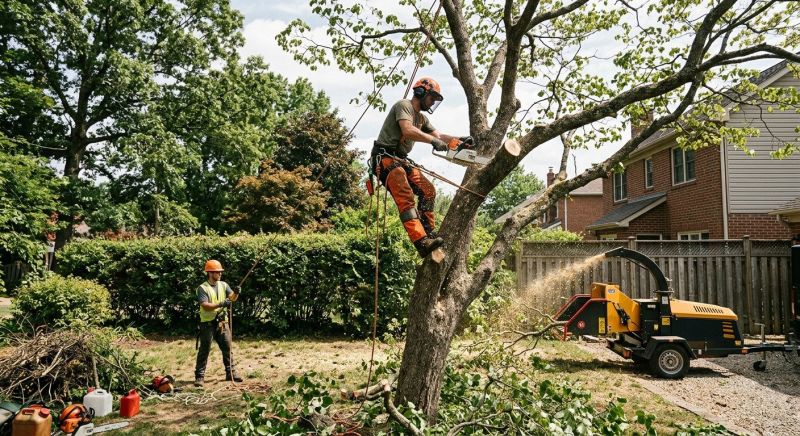
Removing dead or dying trees to prevent potential damage and safety risks.
Property Enhancement
Clearing dead trees to improve the appearance and health of your landscape.
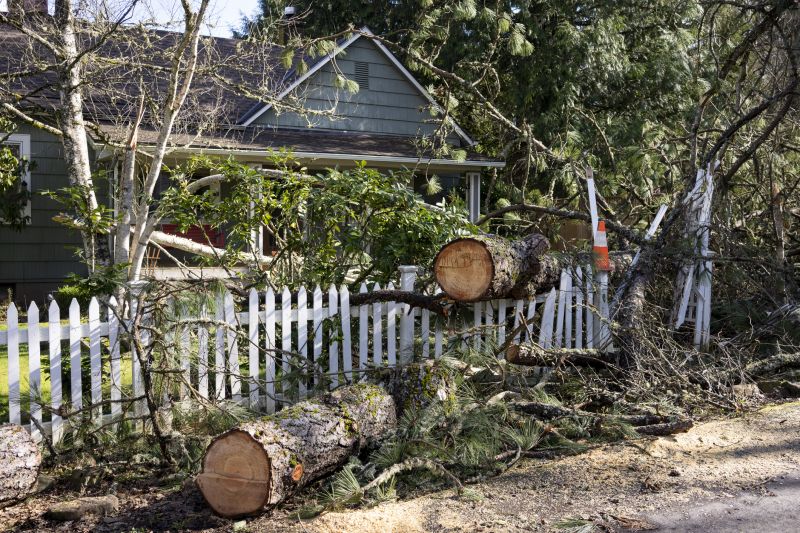
Emergency Tree Services
Addressing fallen or unstable dead trees that pose immediate safety concerns in reno and nearby areas.
Dead Tree Removal in Reno, NV
Dead tree removal services involve safely and efficiently removing trees that are dead, decaying, or posing a risk to property or safety. These projects typically include removing trees that have become hazardous due to disease, storm damage, or old age, as well as clearing dead or dying trees to prevent potential damage to structures, power lines, or other landscape features. Property owners interested in this service should understand the importance of proper assessment, the potential need for permits, and the benefits of professional removal to ensure safety and prevent damage during the process.
Before requesting dead tree removal, property owners usually want to know about the scope of the work, including whether nearby trees or landscape features might be affected. It’s also helpful to understand the methods used for removal, such as cabling or stump grinding, and any precautions needed to protect surrounding property. Clarifying these details can help ensure the project is completed safely and efficiently, with minimal disruption to the landscape.
Many property owners in Reno, NV look into Dead Tree Removal for repairs, replacements, upgrades, and appearance-related improvements.
Common Dead Tree Removal Jobs
Dead Tree Removal - safely eliminates hazardous or decayed trees from residential properties.
Stump Grinding - removes remaining tree stumps to improve landscape safety and appearance.
Emergency Dead Tree Removal - addresses urgent tree hazards caused by storms or damage.
Selective Tree Removal - removes specific dead or diseased trees without affecting surrounding greenery.
Property Clearing - clears dead trees and debris to prepare land for new landscaping or construction.
Tree Health Assessment - identifies dead or dying trees that pose risks to property and safety.
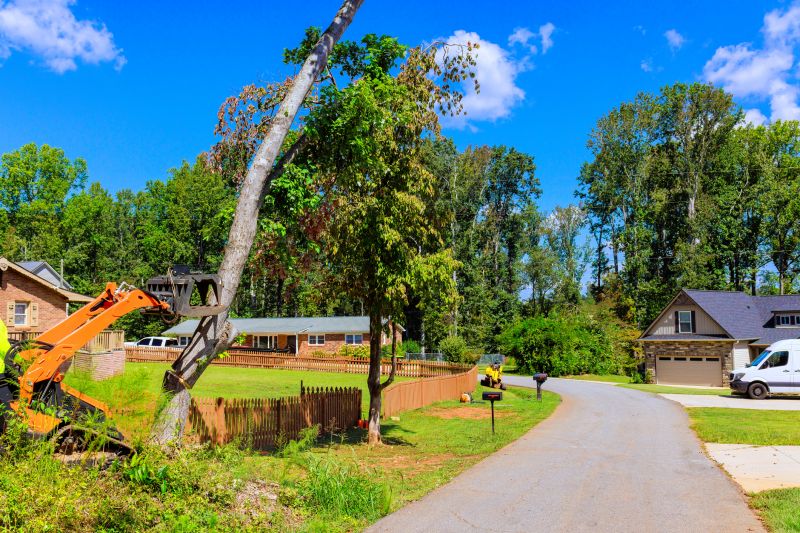
Dead Tree Removal Questions
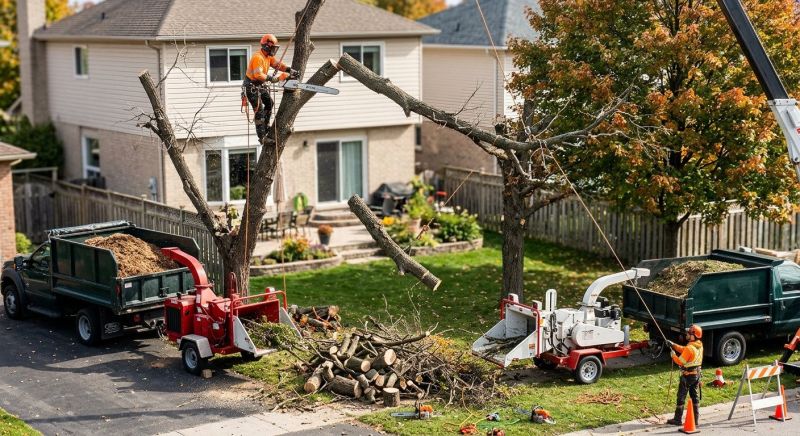
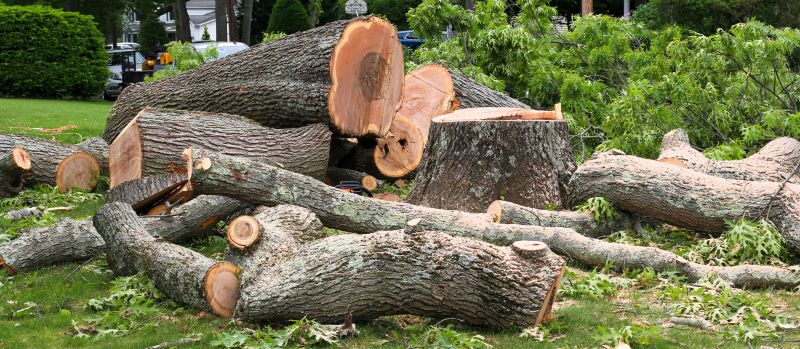
What is involved in dead tree removal? The process typically includes safely cutting down the tree and removing the debris from the property.
Why should dead trees be removed? Dead trees can pose safety hazards, obstruct views, and potentially damage property during storms or high winds.
Are there any property considerations before removal? It’s important to check for nearby structures, utility lines, and roots that may affect the removal process.
What signs indicate a tree may be dead? Lack of leaves, brittle branches, and visible decay are common signs of a dead or dying tree.
Request Dead Tree Removal in Reno, NV
Use the quote form on this page to share the basics of your project and request more information for the type of work you need.